
Casino language borrowed from old card rooms
The Language of the Felt
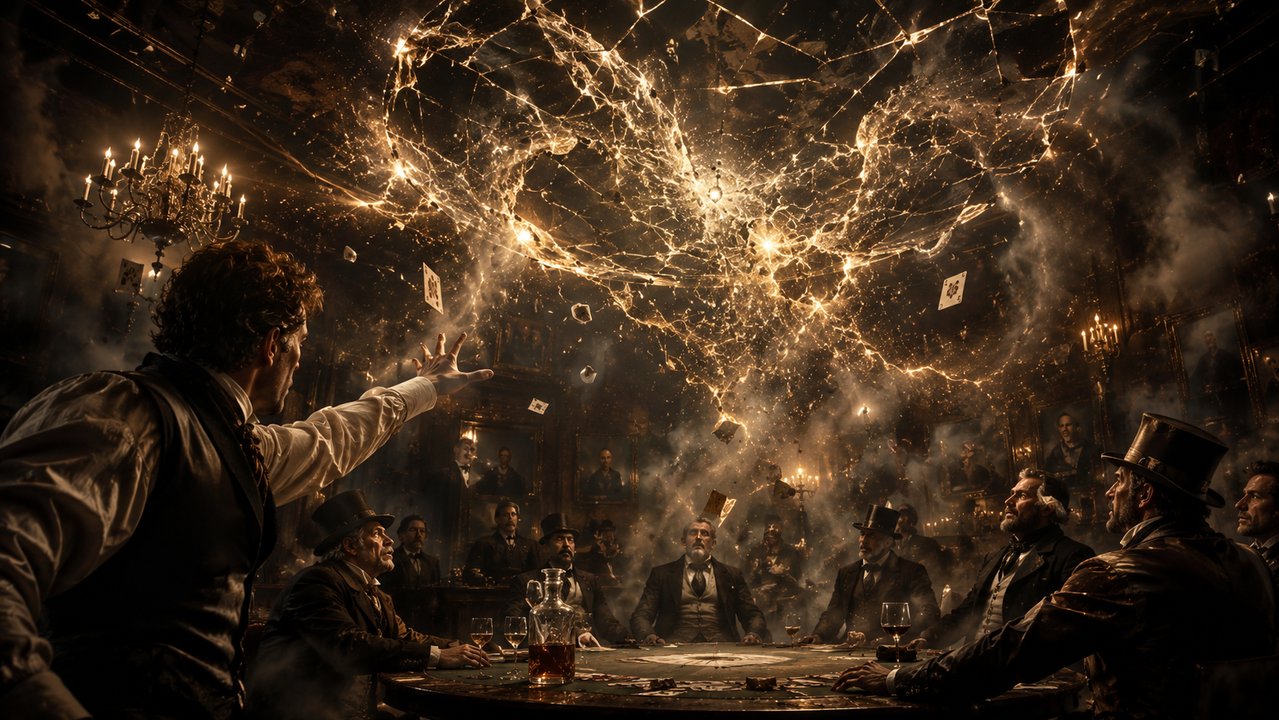
Casino language did not start online. It came from smoky card rooms, private clubs, and crowded gambling halls where players needed fast and simple ways to speak. Many expressions survived because they saved time during games. Dealers, players, and spectators all understood them immediately. Words like “all in,” “raise,” and “fold” moved naturally from poker tables into everyday conversation. Today, people use them at work, in sports, and even in relationships without thinking about their gambling roots.
Old card rooms created their own rhythm. Players often stayed at the tables for hours. Quick communication mattered more than polished speech. Slang became part of the atmosphere. Some phrases sounded rough. Others sounded clever or intimidating. The language helped experienced gamblers recognise each other. Newcomers learned quickly because understanding the terms often meant understanding the game itself.
Many modern casino platforms still keep this old vocabulary alive. Sites such as kaasino continue to use traditional gambling language because players instantly recognise it. Expressions connected to betting, bluffing, winning, and risk still shape the way casinos present games and promotions. The terminology creates familiarity and keeps the old card-room culture alive in digital form.
Words Built on Risk
The strongest casino phrases usually revolve around pressure and uncertainty. “Double down” became popular because it describes confidence under risk. In blackjack, it means increasing the original bet after seeing the first cards. Outside gambling, people use it when they fully commit to a decision. The phrase survived because it feels direct and emotional. Everyone understands the tension behind it.
“Wild card” came from games where certain cards could replace others. Over time, the term moved into politics, sports, and entertainment. Now it describes unpredictable people or situations. Card-room language often works outside casinos because it explains human behaviour clearly. Gambling naturally involves confidence, fear, luck, greed, and patience. Those emotions exist everywhere, not only at the tables.
Even negative expressions stayed popular. “Cold deck” described cheating with prepared cards. “Bust” referred to losing everything or going over a limit in blackjack. “Ace up the sleeve” suggested hidden advantages. These phrases survived because they paint strong mental images. Old gambling language rarely feels abstract. It sounds physical and immediate. That is why people still use it naturally after decades.
Poker Talk in Daily Life
Poker shaped modern gambling language more than any other game. The reason is simple. Poker depends heavily on reading people, hiding emotions, and managing pressure. Those ideas connect easily to normal life. Phrases like “poker face” became universal because everyone understands the need to hide emotions sometimes. The term left casinos long ago and became part of global culture.
“Call someone’s bluff” works the same way. In poker, bluffing means pretending to have a stronger hand. Outside gambling, the phrase describes challenging lies or exaggeration. The wording stayed alive because it explains social situations perfectly. People recognise the tension immediately. Many gambling expressions became successful because they describe real human interaction better than formal language.
“All in” may be the clearest example. Originally, it meant betting every remaining chip. Now it represents total commitment in business, relationships, or sports. Athletes use it in interviews. Companies use it in advertising. Coaches use it before important matches. The phrase carries emotional weight because the original gambling meaning involved real consequences. That intensity still exists even when the words appear far from a casino table.
Why the Language Still Works
Casino language survived because it feels alive. Many old expressions sound sharper than formal alternatives. Saying someone “folded under pressure” feels stronger than saying they “gave up.” Gambling vocabulary creates movement, tension, and emotion in very few words. That efficiency helped the phrases survive across generations.
Movies also played a huge role. Classic poker scenes made casino slang look stylish and intelligent. Characters who understood gambling language often appeared confident and experienced. Audiences copied the expressions because they sounded memorable. Television later pushed the vocabulary even further. Poker broadcasts introduced millions of viewers to phrases once limited to private card rooms.
The internet changed the scale but not the core language. Online casinos and betting communities still rely on traditional terms because they create authenticity. Even modern gambling sites continue using familiar expressions connected to luck, risk, and strategy. The old card-room atmosphere still influences how casinos market themselves today. Technology changed the tables, but the language stayed remarkably consistent because the emotions behind gambling never disappeared.